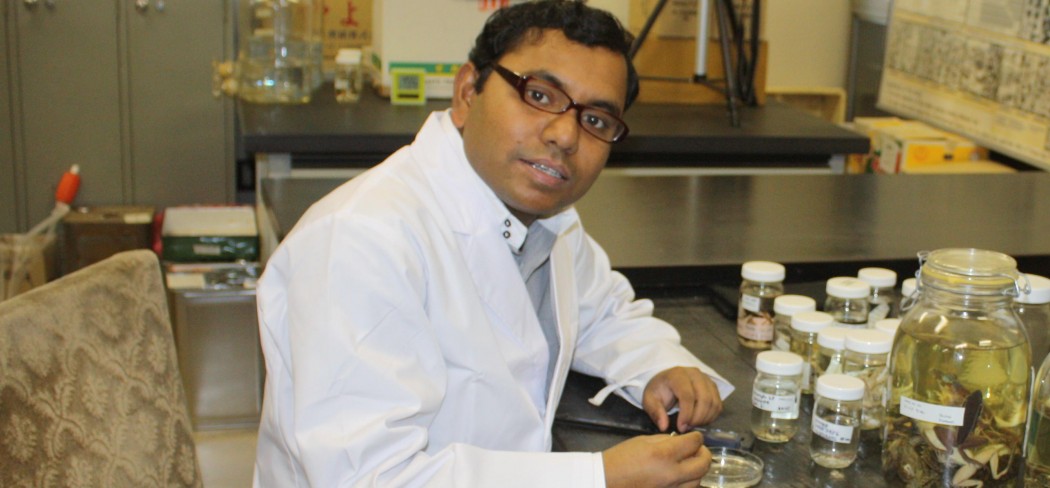
I am doing research on diversity, evolution and phylogeny of anurans, snakes and fish. Currently, I am In-charge of “Evolution & Diversity Research Laboratory” of Jamalpur Science & Technology University, Bangladesh.
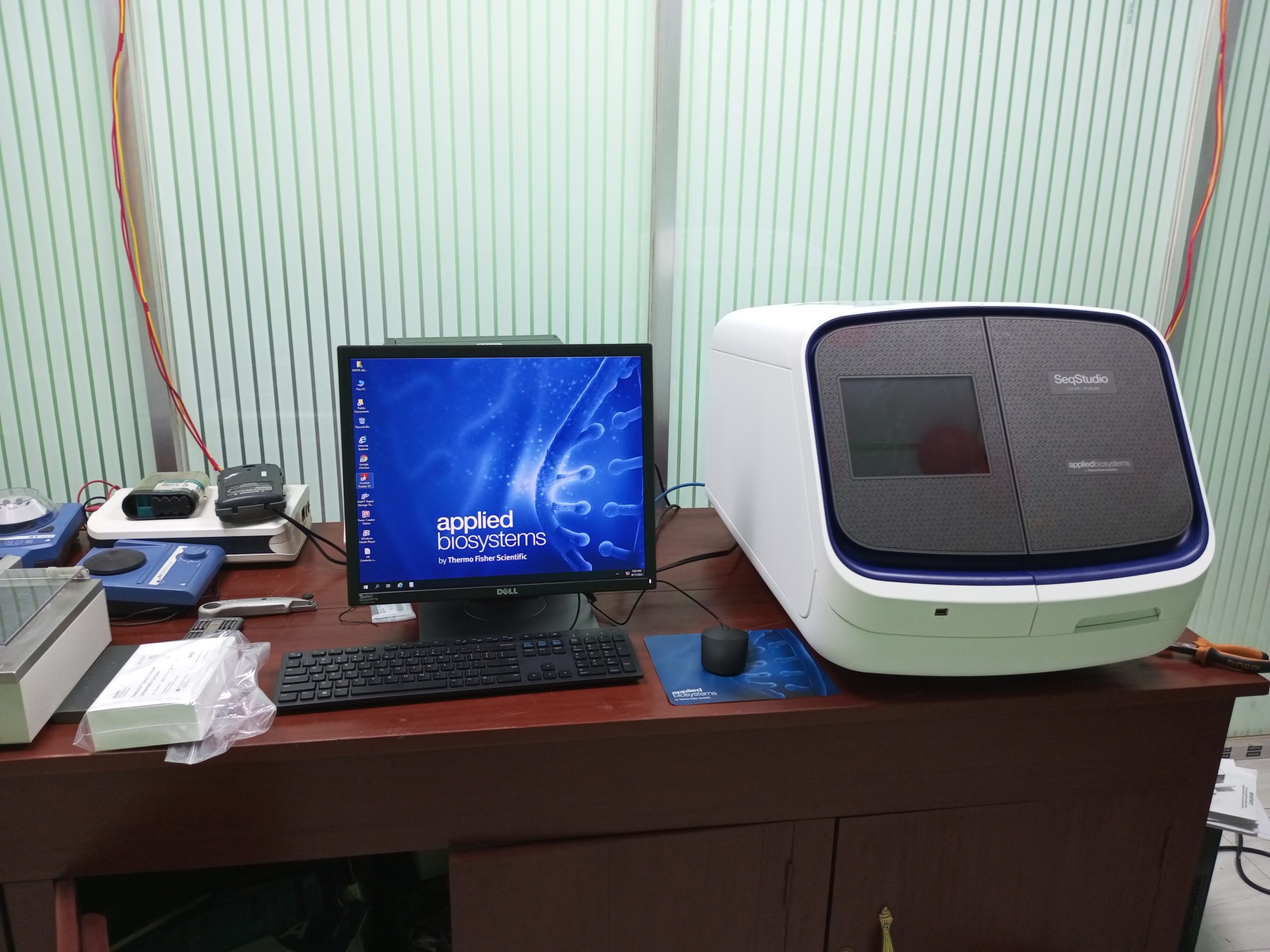
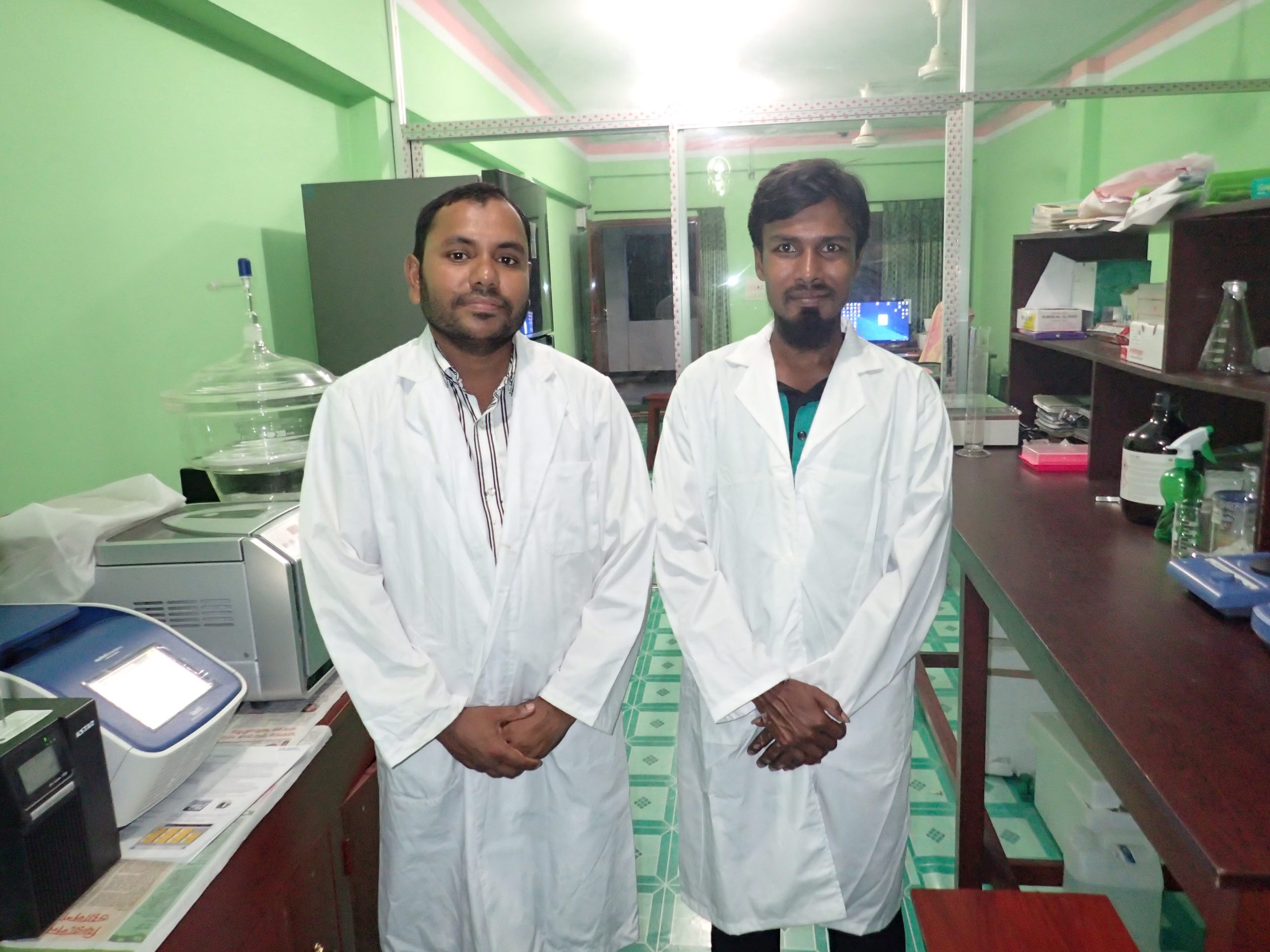
Inside Lab

I am working with RT-PCR

DNA concentration is examining with Gel doc system

Working with team members in Genetic Analyzer

Honorable Vice-Chancellor Prof. Dr. Mohammad Raknuzzaman Sir is visiting our Lab
LAB MEMBERS:
PhD students:
- Mohammad Rafiqul Bari, PhD Student

My research focus on ̶ fish biodiversity in the Brahmaputra River represents one of the richest and most dynamic freshwater ecosystems in South Asia, shaped by complex hydrological regimes, seasonal flooding, and diverse habitats. The river supports a wide array of indigenous fish species, including economically and ecologically important taxa, many of which are adapted to its unique flow patterns and sediment loads. However, this biodiversity is increasingly threatened by overfishing, habitat degradation, pollution, and climate change. In this context, genetics has emerged as a powerful tool for understanding and conserving fish diversity in the Brahmaputra basin. Molecular approaches such as DNA barcoding, population genomics, and environmental DNA (eDNA) analysis enable accurate species identification, detection of cryptic diversity, and assessment of population structure and gene flow. These techniques are particularly valuable in a transboundary river system like the Brahmaputra, where fish populations move across political boundaries, complicating traditional monitoring efforts. Integrating genetic data with ecological and morphological studies can therefore enhance conservation planning, support sustainable fisheries management, and contribute to the long-term preservation of fish biodiversity in the Brahmaputra River.
Masters Students:
2. Ifthekar Islam Tusar

My research focus on sea snakes of Bangladesh. Sea snakes are a specialized group of marine reptiles belonging mainly to the subfamily Hydrophiinae, and they occur in the coastal and offshore waters of Bangladesh, particularly in the Bay of Bengal. These highly adapted snakes possess paddle-like tails for swimming, valved nostrils to prevent water entry, and the ability to remain submerged for extended periods. In Bangladesh, several species such as Hydrophis schistosus, Hydrophis cyanocinctus, and Laticauda colubrina have been reported, often encountered by fishermen in estuarine and nearshore habitats. Sea snakes are generally non-aggressive but are highly venomous, with potent neurotoxins used to immobilize prey such as fish and eels. Ecologically, they play an important role in maintaining marine food webs and biodiversity balance. However, their populations are threatened by bycatch in fishing nets, habitat degradation, and marine pollution. Despite their ecological significance, research on sea snake diversity and distribution in Bangladesh remains limited, highlighting the need for further studies and conservation initiatives.
3. Zahid Hasan Anik

My research focuses on ̶ the description of new species in Bangladesh. Because, it has gained increasing momentum in recent years, reflecting the country’s rich yet still underexplored biodiversity. Owing to its diverse ecosystems—ranging from tropical forests and wetlands to rivers and coastal zones—Bangladesh provides habitats for numerous undocumented taxa, particularly among fishes, amphibians, reptiles, and invertebrates. Modern taxonomic practices now emphasize an integrative approach, combining classical morphological and morphometric analyses with advanced molecular techniques such as DNA barcoding to ensure accurate species delimitation. Several new species have been described from regions like the Chattogram Hill Tracts, Sundarbans mangrove forest, and freshwater river systems, highlighting the importance of these biodiversity hotspots. Despite these advances, challenges remain, including limited taxonomic expertise, inadequate funding, and insufficient long-term specimen preservation facilities. Strengthening research infrastructure, promoting international collaboration, and developing comprehensive biodiversity databases are crucial steps for accelerating new species discovery and documentation in Bangladesh, which is essential for effective conservation planning and sustainable resource management.
3. Tushar Roy

My research focuses on the assessment of native fish biodiversity and conservation status in the Someshwari River. It reveals a complex yet declining aquatic ecosystem shaped by both natural and anthropogenic factors. The Someshwari River, a transboundary river originating from the Garo Hills of India and flowing through Netrokona district of Bangladesh, supports a rich diversity of freshwater species and plays a vital role in local livelihoods and ecology. Studies have recorded a considerable number of aquatic species, including over 100 fish species along with other fauna such as prawns and turtles, indicating historically high biodiversity in the river syste . However, recent localized assessments have documented fewer species (e.g., 23 fish species), suggesting a decline in biodiversity over time. Among the recorded species, a significant proportion falls under threatened categories, including critically endangered, endangered, and vulnerable groups, reflecting an alarming conservation status. Major fish groups such as catfishes, carps, barbs, and small indigenous species still persist but are under pressure from overexploitation and habitat degradation. The primary drivers of biodiversity loss include indiscriminate fishing practices (e.g., destructive gears like current nets), illegal sand and stone extraction, water pollution, and weak management enforcement . These pressures have also resulted in reduced fish production and the near disappearance of several commercially important and ecologically significant species. Therefore, effective conservation strategies—such as habitat restoration, regulation of harmful fishing gear, protection of breeding grounds, community-based fisheries management, and policy enforcement—are urgently needed to sustain native fish biodiversity and ensure the ecological integrity of the Someshwari River.
Undergraduate students:
- Dipta Sarker
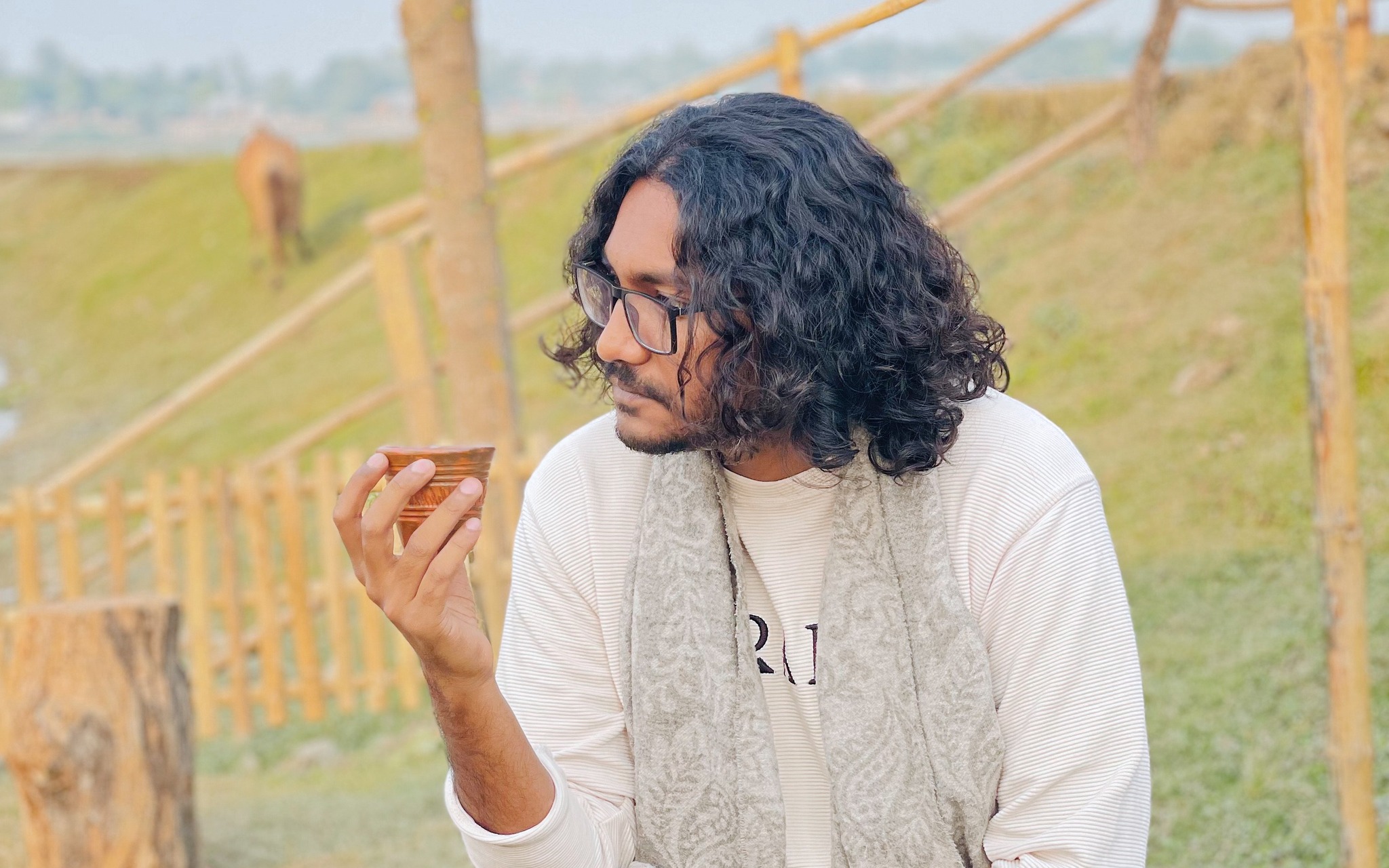
My interest centers on aquatic biodiversity and herpetofauna in Bangladesh, with a focus on fish, reptiles, amphibians, and other types of aquatic organisms. Bangladesh’s extensive network of rivers, wetlands, floodplains, and the mangrove forest, the Sundarbans, supports a highly dynamic and diverse yet fragile ecosystem that is crucial for ecological balance and human livelihoods. I am particularly drawn to herpetofauna because amphibians and reptiles are sensitive indicators of environmental change and are considered to be endangered, while fish communities play a vital role in food security and ecosystem functioning. However, the biodiversity of these groups remains underexplored due to the limitations of traditional survey methods, which often fail to detect rare or cryptic species. I am interested in applying modern molecular techniques such as environmental DNA (eDNA) and DNA metabarcoding. These approaches enable non-invasive and efficient detection of multiple species from environmental samples like water, providing a more comprehensive understanding of biodiversity without habitat degradation. Aquatic ecosystems and herpetofauna in Bangladesh are increasingly threatened by pollution, habitat destruction, climate change, and overexploitation. I aim to contribute to addressing these challenges by integrating molecular methods with ecological research to improve biodiversity monitoring and conservation strategies. Through advanced study, I hope to develop strong research skills and contribute to the conservation of Bangladesh’s aquatic wildlife and herpetofauna for future generations.